
Standard Porta Potty
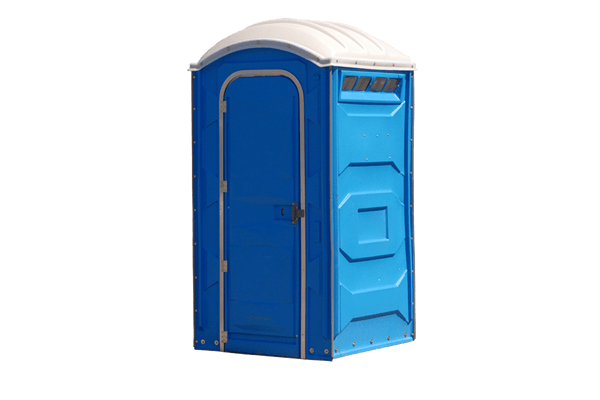
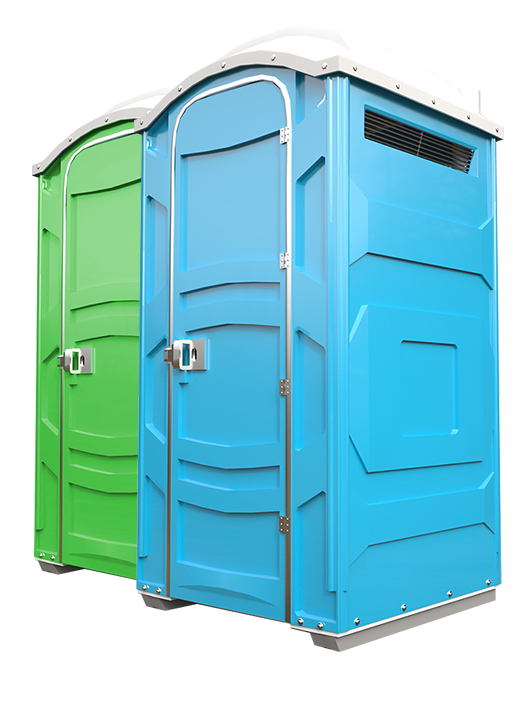
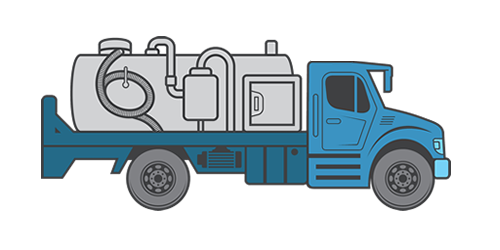

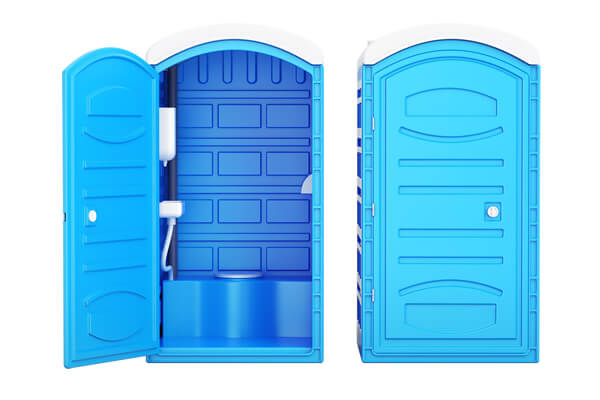



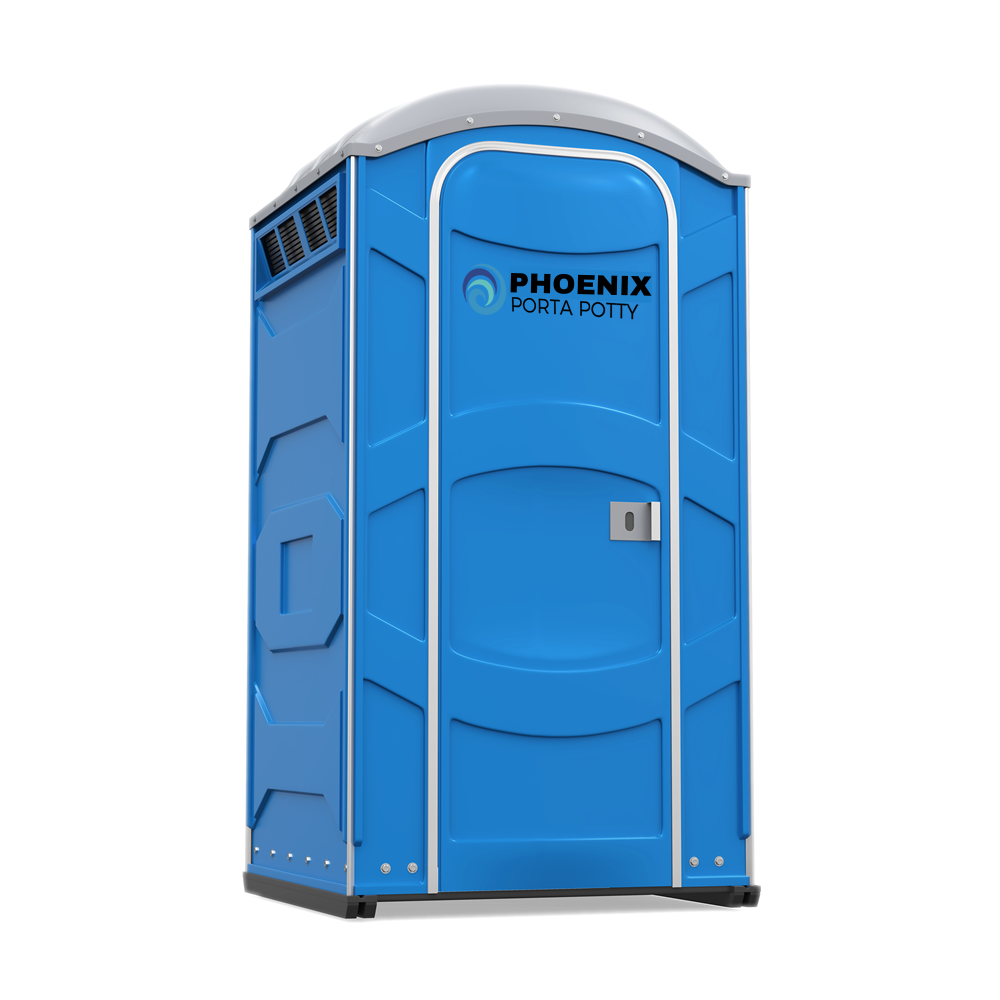
These are the most common porta potties you will come across. They are mainly found in outdoor events in clusters. They can be cleaned and emptied on-site; therefore, are less demanding. They are also the cheapest option in the market, so if you are looking for a porta potty for an event that will last a few hours, this is the jackpot.Standard transportable potties are usually a single unit portable bathroom. That is why they are hired in clusters for outdoor events with many people. They do not flush, and they lack a sink. They are very basic in short. However, a rental company may provide additional features, such as mirrors and lighting. These porta potties have a tank that holds 60 gallons of water only. The walls are also reinforced, and the locking is secure. The average size of a standard is 43-46 inches in width, 46-48 inches in depth ad 88-91 inches in height.
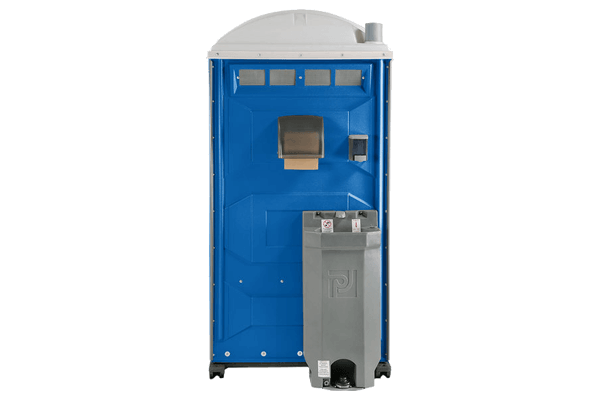
Even the name of this transportable washroom screams luxury. These portable washrooms are a lot like the standard counterparts, but they are bigger. They usually measure approximately 44-47 inches in width, 45-48 inches in depth, and 89-91 inches in height. They come with a flushing capability and a holding tank capacity pf 60-70 gallons. They also have a mirror, hand washing station, toilet paper, and a urinal. Some companies even include a baby changing station. The deluxe flushable unit is an ideal upscale of the standard traveling restroom if you are planning a big outdoor event. These units can be coupled up with the standard units to offer a variety of restroom for guests. It would also be ideal for an event that requires high sanitation levels and events with a lot of children and their parents.
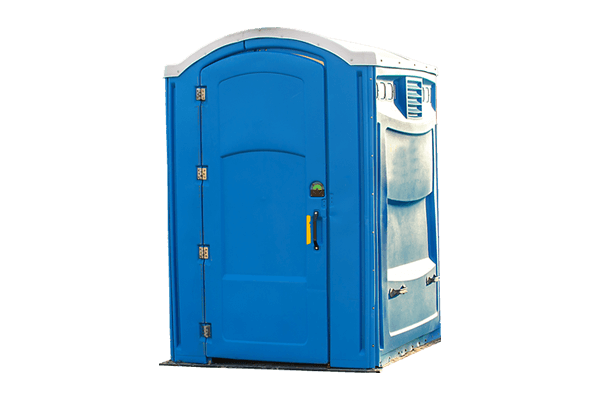
Handicap-accessible porta potties are moveable potties specially built to accommodate wheelchairs and people with disabilities. They are wider than standard moveable bathrooms and generally more spacious. They have a flat entrance or a ramp at the entrance to facilitate entering and leaving for those using a wheelchair. These units also come with safety handrails for safe use, a lower toilet seat, and anti-slip carpet material to avoid skidding. They are also constructed to adhere to ADA guidelines.
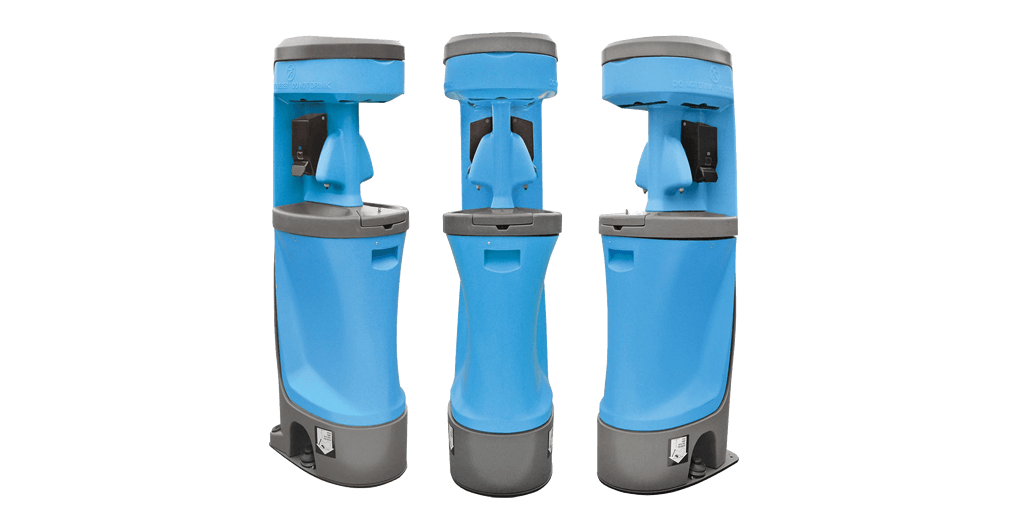
Ideal for short-term events or construction projects, handwashing station rentals offer a convenient and effective way to promote good hygiene practices.
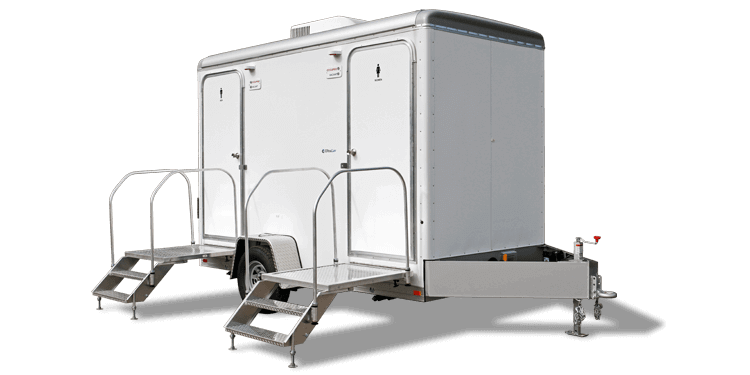
These are standard haulable potties that are mounted non a trailer. They are built with brake lights and tires to facilitate safe towing. They can be safely parked anywhere for use. These units are suitable for mobile worksites like highway road work, field-based media, and disaster relief.




Monday: 5am – 5pm
Tuesday: 5am – 5pm
Wednesday: 5am – 5pm
Thursday: 5am – 5pm
Friday: 5am – 5pm
Saturday: 5am – 5pm
Sunday: Closed